






Nursing Home Abuse Lawyer Chicago, IL
If you’ve noticed unexplained bruises on your loved one, sudden weight loss, bedsores that appeared out of nowhere, or a personality change that doesn’t make sense, these may be signs of nursing home abuse. You trusted this facility to provide care, and instead you’re seeing signs of abuse or neglect that demand answers.
Nursing home abuse and neglect affect thousands of Illinois residents every year. Facilities cut corners on staffing, fail to train employees properly, or hire workers without adequate background checks. The result is preventable suffering, and sometimes death, among our most vulnerable population. Disparti Law Group Accident & Injury Lawyers represents families throughout Chicago who suspect their loved ones have been mistreated in long-term care facilities. Larry Disparti founded this firm with a commitment to holding negligent parties accountable, and that mission drives every case we take. If you need a Chicago, IL nursing home abuse lawyer, reach out for a free consultation today.
Why Choose Disparti Law Group Accident & Injury Lawyers for Nursing Home Abuse Cases in Chicago, IL?
Nursing home abuse cases require a specific approach. Facilities have corporate defense teams, incident reports get sanitized, and staff close ranks when allegations surface. Families often feel overwhelmed trying to protect a vulnerable loved one while navigating a complex legal system. We level that playing field.
Deep Roots in Illinois Legal Practice
Larry Disparti founded Disparti Law Group Accident & Injury Lawyers in Chicago and has spent his career fighting for injured people and their families. He serves on the Board of Managers for the Illinois Trial Lawyers Association and co-chairs ITLA’s Civil Practice & Rules Committee. His law degree comes from Stetson University College of Law, and he completed his undergraduate studies at the University of South Florida.
Larry holds licenses in Illinois, Florida, Arizona, and Washington D.C. He belongs to the National Employment Lawyers Association, the Illinois Workers Compensation Lawyers Association, and the Justinian Society. When your family faces a nursing home abuse situation, you want an attorney who knows Illinois courts and won’t back down from well-funded corporate defendants.
Larry Disparti has earned membership in the Million Dollar Advocates Forum and the Multi-Million Dollar Advocates Forum, organizations limited to attorneys who have won million-dollar and multi-million-dollar verdicts or settlements. Leading Lawyers has recognized him as a Top 10 Plaintiff Lawyer, and he holds membership in the National Trial Lawyers Association Top 100.
For families seeking a personal injury attorney in Chicago, IL, our firm brings decades of combined litigation experience to these sensitive cases.
A Track Record That Speaks
Disparti Law Group Accident & Injury Lawyers has secured millions of dollars for clients harmed by negligence. Our results include a $9.0 million verdict for a worker injured due to equipment failure, a $6.6 million verdict for a transit employee hurt in a train derailment, and numerous six-figure settlements for accident victims across Illinois. We approach nursing home cases with the same aggressive preparation and willingness to go to trial when facilities refuse fair settlements.
No Upfront Costs
Families dealing with nursing home abuse shouldn’t worry about affording legal help. We work on contingency which means you owe nothing unless we recover compensation for your loved one. This structure allows us to invest resources into investigating your case, hiring experts, and building the strongest possible claim without adding financial stress to an already difficult situation.
Hear From Our Clients
⭐⭐⭐⭐⭐
“The team was highly effective and professional. Their attention to detail was exceptional and communication was excellent! While I am not tech-savvy, they made the entire experience easy to understand. Likewise, their clear and concise directions ensured the entire process was hassle free from start to finish! I really appreciate the work this team did for me and my family and I can’t say enough great things about them.” — John Glenny
Read more reviews on our Google Business Profile.
Types of Nursing Home Abuse Cases We Handle in Chicago
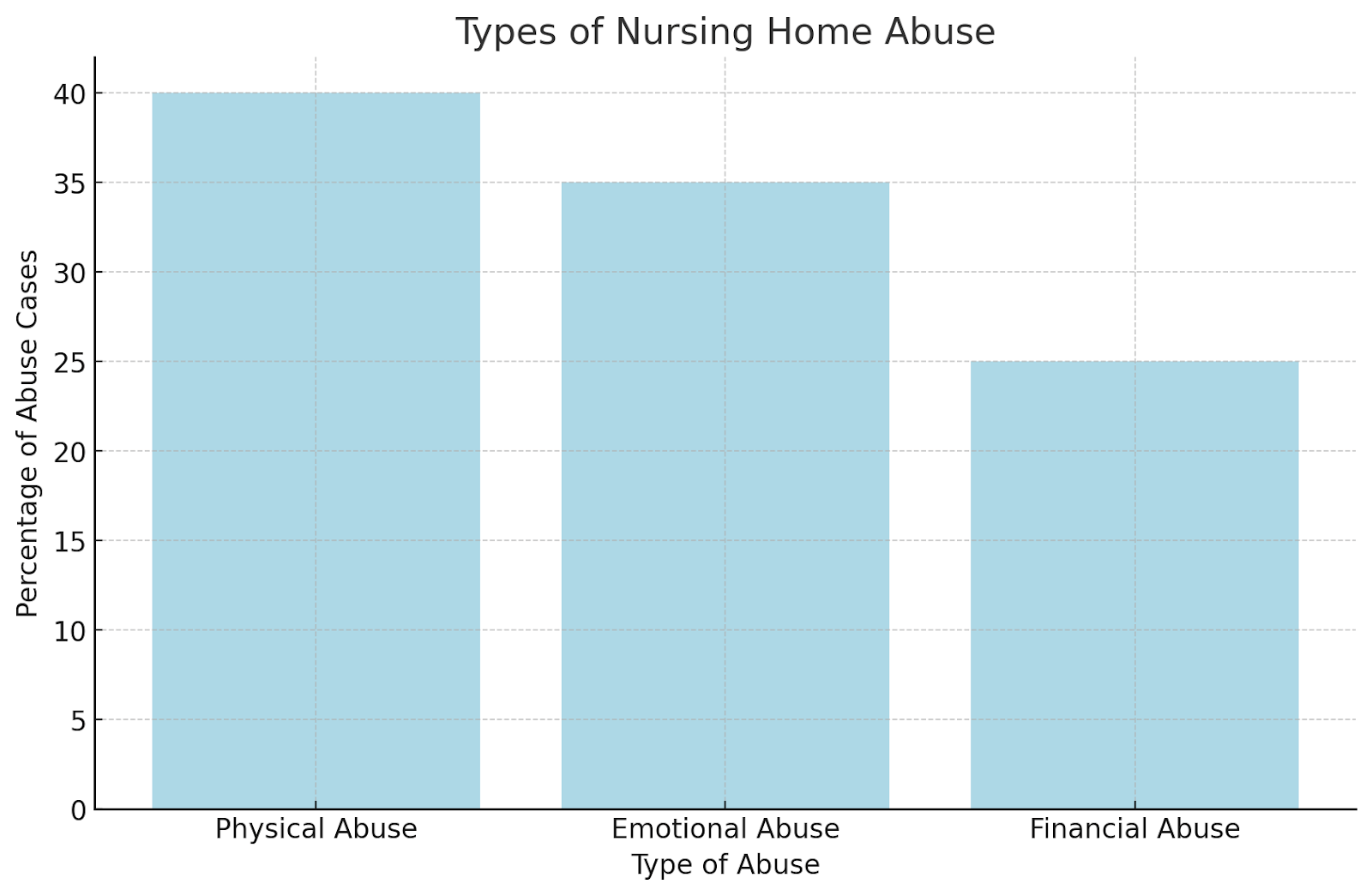
Abuse and neglect in nursing homes take many forms. Some are obvious; others require careful investigation to uncover. We represent families in cases involving:
-
Physical abuse. Hitting, slapping, pushing, improper restraint use, or any intentional act causing bodily harm. Unexplained bruises, fractures, or injuries that don’t match staff explanations often indicate physical abuse.
-
Neglect and inadequate care. Failing to provide necessary food, water, medication, hygiene assistance, or medical attention. Neglect is the most common form of nursing home mistreatment and often stems from understaffing.
-
Bedsore injuries. Pressure ulcers develop when immobile residents aren’t repositioned regularly. Stage 3 and 4 bedsores can become life-threatening infections. These injuries are almost always preventable with proper care.
-
Fall injuries. Residents fall when staff fails to assist with mobility, beds lack proper rails, or hazards go unaddressed. Hip fractures and head injuries from falls frequently prove fatal for elderly residents.
-
Medication errors. Giving wrong medications, incorrect dosages, or missing doses entirely. Overmedication to sedate “difficult” residents, sometimes called chemical restraint, constitutes abuse.
-
Psychological abuse. Verbal threats, intimidation, humiliation, isolation from family, or emotional manipulation. Victims may show sudden withdrawal, fear around certain staff, or depression.
-
Sexual abuse. Any non-consensual sexual contact with a resident. Dementia patients and those with communication difficulties face heightened risk because they cannot easily report abuse.
-
Financial exploitation. Staff or facility representatives stealing money, manipulating residents into changing wills, or billing for services never provided.
Each type of abuse requires thorough documentation and often expert testimony to prove. We work with medical professionals, forensic accountants, and care standards experts to build compelling cases.
Illinois Legal Requirements for Nursing Home Abuse Claims
Illinois provides specific protections for nursing home residents and pathways for families to seek accountability when facilities fail.
The Nursing Home Care Act
The Illinois Nursing Home Care Act establishes a bill of rights for nursing home residents and creates a private right of action when facilities violate those rights. Residents have the right to adequate and appropriate care, freedom from abuse and neglect, dignity and respect, and participation in their own care planning. When facilities violate these rights, victims or their families can sue for damages.
Statute of Limitations
Under Illinois law, personal injury claims generally must be filed within two years of the injury or discovery of harm. However, nursing home abuse cases can involve ongoing neglect where the full extent of harm isn’t immediately apparent. Cases involving wrongful death have a two-year window from the date of death. Acting promptly preserves evidence and witness testimony.
Reporting Requirements
Illinois mandates that certain professionals report suspected abuse or neglect to the Illinois Department of Public Health. Families can also file complaints directly. While regulatory complaints don’t provide compensation to victims, they create official records that support civil claims and may prompt investigations that uncover additional evidence.
Damages Available
The Nursing Home Care Act allows recovery of actual damages, plus attorney’s fees and costs in successful cases. Punitive damages may be available when abuse results from willful and wanton conduct. Unlike some personal injury claims, the Act’s fee-shifting provision means facilities may have to pay your legal costs if you prevail.
What Damages Are Recoverable in Chicago Nursing Home Abuse Cases?
Families pursuing nursing home abuse claims can seek compensation across several categories.
Economic Damages
Medical expenses for treating injuries caused by abuse or neglect such as hospital stays, surgeries, wound care, rehabilitation, medications, and any additional care needed beyond what the facility should have provided.
Costs of relocating to a new facility. When abuse is discovered, families often need to move their loved one immediately. Transfer costs, deposits, and rate differences at safer facilities represent compensable losses.
Funeral and burial expenses in wrongful death cases.
Lost income if a family member had to leave work to care for an injured resident or investigate suspected abuse.
Non-Economic Damages
Pain and suffering endured by the resident. Bedsores are excruciating. Broken bones in elderly patients heal slowly and painfully. The terror of being abused by caregivers compounds physical suffering.
Emotional distress experienced by both the resident and family members. Discovering that a loved one was mistreated causes lasting psychological harm.
Loss of dignity. Nursing home residents deserve respect. Being left in soiled clothing, denied basic hygiene, or subjected to verbal abuse strips away dignity in ways that deserve compensation.
Loss of companionship for family members whose relationships were damaged by the resident’s declining condition due to abuse.
Punitive Damages
When facilities act with willful disregard for resident safety like ignoring repeated complaints, falsifying records, or knowingly maintaining dangerous understaffing, courts may award punitive damages. These amounts punish egregious conduct and deter similar behavior.
What Steps Should I Take If I Suspect Nursing Home Abuse in Chicago?
Discovering potential abuse feels urgent and overwhelming. These steps protect your loved one and preserve your legal options:
1. Ensure immediate safety. If your loved one faces imminent danger, contact 911. Removing them from the facility may be necessary in severe cases.
2. Document everything you observe. Photograph injuries, living conditions, and anything concerning. Note dates, times, and descriptions of what you see. Record your loved one’s statements about their treatment.
3. Request medical records. You have the right to copies of all medical documentation. These records may reveal patterns of injuries, missed treatments, or falsified entries.
4. Review care plans and staffing logs. Facilities must maintain records of planned care and actual care provided. Discrepancies between what was supposed to happen and what actually occurred reveal neglect.
5. Report to Illinois Department of Public Health. File a complaint with IDPH to trigger an official investigation. This creates a paper trail and may uncover systemic problems.
6. Contact the Long-Term Care Ombudsman. The Illinois Long-Term Care Ombudsman Program advocates for nursing home residents and investigates complaints. They can visit facilities and interview residents.
7. Preserve all communications. Save emails, texts, and written correspondence with the facility. Keep notes of phone conversations including dates, who you spoke with, and what was said.
8. Don’t confront staff directly. While natural, confronting suspected abusers may cause the facility to become defensive, destroy evidence, or coach witnesses. Let investigators and attorneys handle those interactions.
9. Consider relocating your loved one. Once abuse is suspected, continued residence may not be safe. Document conditions thoroughly before any transfer.
10. Contact a Chicago nursing home abuse attorney. These cases involve complex regulations, medical evidence, and corporate defendants with experienced legal teams. Having representation early protects your rights and your loved one’s recovery.
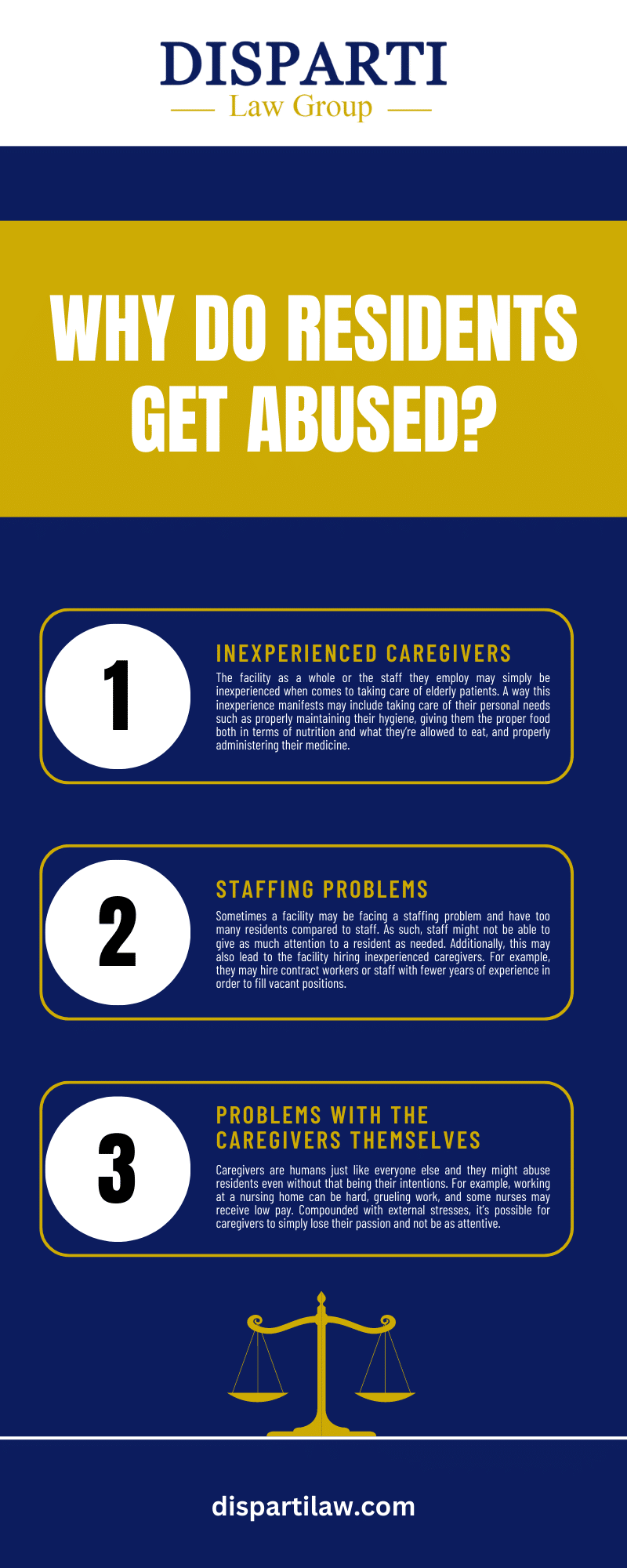
Chicago Nursing Home Abuse Infographic
Nursing Home Abuse Statistics in Chicago
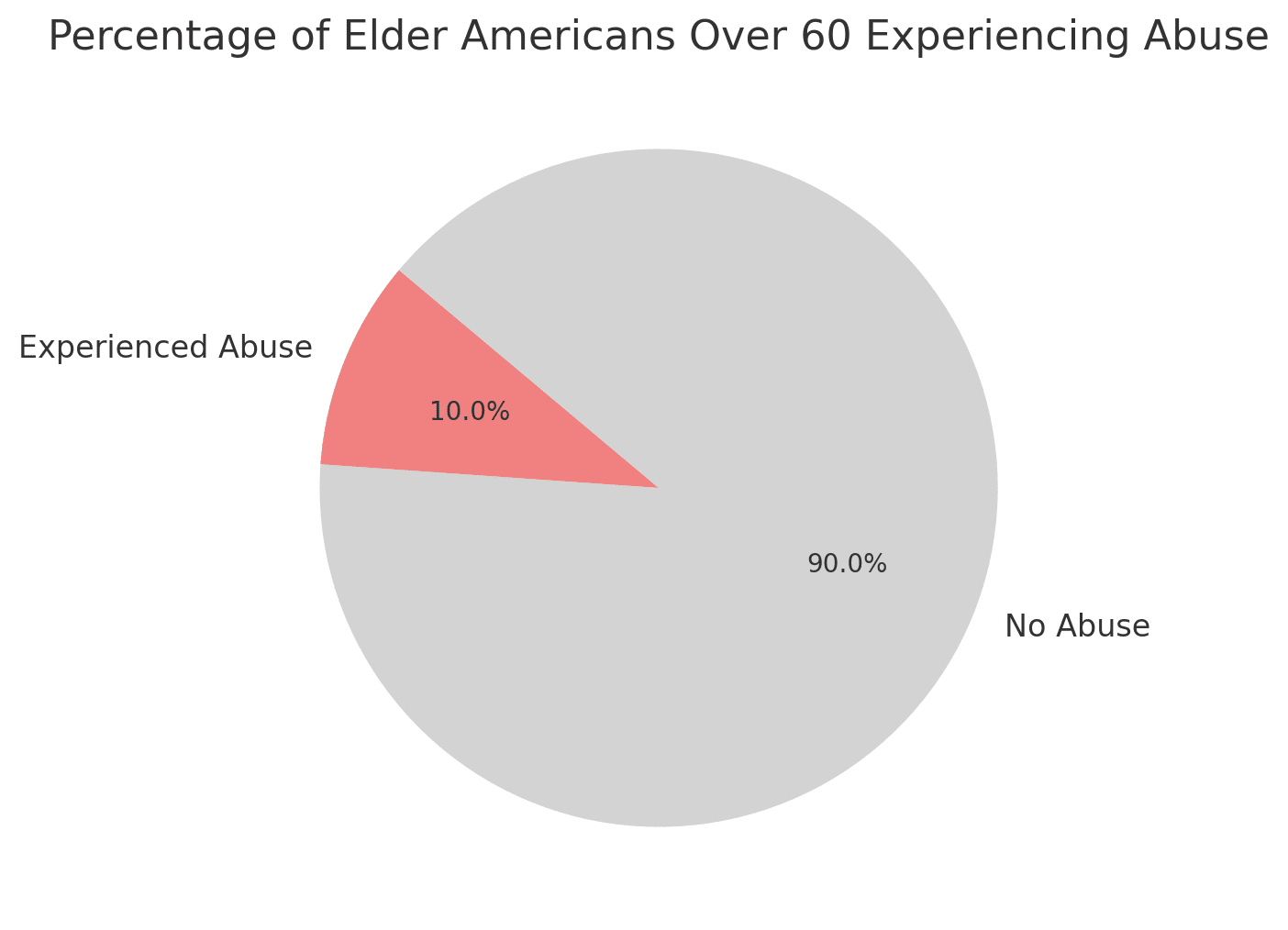
The scope of nursing home mistreatment in Illinois reflects troubling national trends.
According to the Administration for Community Living, elder abuse affects millions of Americans annually, with nursing home residents facing particularly high risk due to their dependence on facility staff.
The Centers for Medicare and Medicaid Services maintains data on nursing home deficiencies cited during inspections. Illinois facilities regularly receive citations for insufficient staffing, failure to prevent accidents, and inadequate infection control which are all factors that contribute to abuse and neglect.
Research published by the National Institutes of Health indicates that up to 1 in 3 nursing homes have been cited for violations that caused actual harm to residents or placed them in immediate jeopardy. Many more violations go undetected or unreported.
The Illinois Department of Public Health investigates complaints against long-term care facilities. Their reports reveal recurring problems at certain facilities, patterns that persist despite citations and fines.
Studies from the Government Accountability Office have found that nursing home abuse is significantly underreported. Residents with dementia may not remember abuse or lack the ability to communicate it. Others fear retaliation if they complain. Families often don’t recognize warning signs until harm becomes severe.
Cook County’s large elderly population and concentration of nursing facilities means abuse occurs across the Chicago metropolitan area. Urban facilities, suburban homes, and rural nursing homes all face staffing pressures that increase neglect risk.
Chicago Nursing Home Abuse Lawyer FAQs
What are warning signs of nursing home abuse?
Unexplained injuries like bruises, cuts, or fractures. Sudden weight loss or dehydration. Bedsores, especially advanced ones. Poor hygiene like dirty clothing, unbathed, long fingernails. Emotional changes such as withdrawal, fear, or depression. Staff reluctance to allow private visits. Missing personal belongings or unexplained financial transactions.
Can I sue a nursing home for neglect?
Yes. The Illinois Nursing Home Care Act creates a private right of action for residents harmed by neglect. Families can pursue compensation for injuries, suffering, and in some cases attorney’s fees. Both the facility and individual staff members may be liable.
What’s the difference between abuse and neglect?
Abuse involves intentional acts that cause harm like hitting, verbal cruelty, sexual assault. Neglect is the failure to provide necessary care, not feeding residents, ignoring medical needs, failing to prevent bedsores. Both violate Illinois law and support civil claims, and four types of nursing home abuse are commonly recognized in these cases.
How do I prove nursing home abuse?
Evidence includes medical records documenting injuries, photographs, witness statements, facility inspection reports, staffing logs showing inadequate coverage, expert testimony about care standards, and your loved one’s own account if they can provide one. We work with investigators and medical experts to build proof, and knowing how to identify signs of nursing home abuse strengthens these claims.
What if my loved one has dementia and can’t describe what happened?
Dementia doesn’t prevent a claim. Medical evidence, physical signs of abuse, facility records, and expert analysis can establish what occurred. Staff patterns, other resident complaints, and inspection histories also provide relevant evidence.
Should I report abuse to the state before filing a lawsuit?
Reporting to IDPH serves different purposes than a lawsuit. Regulatory complaints may improve conditions and create official documentation, but they don’t provide compensation to victims. You can pursue both simultaneously by learning how to file a nursing home complaint in Illinois with a lawyer. We help families coordinate these efforts.
Can I sue if my loved one died from neglect?
Yes. Illinois allows wrongful death claims when nursing home abuse or neglect causes death. Surviving family members can recover damages for their losses. These cases have specific requirements regarding who can file.
How long do nursing home abuse cases take?
Timeline varies based on case complexity, evidence availability, and whether the facility is willing to settle fairly. Some cases resolve within a year; others involving severe injuries or contested liability may take longer. Litigation through trial adds time but sometimes proves necessary.
Will my loved one have to testify?
Not necessarily. Many cases settle without trial. If testimony becomes necessary, we work to minimize stress on vulnerable witnesses. Videotaped depositions, written statements, and medical evidence often reduce the need for in-person testimony.
What if the nursing home claims my loved one’s injuries were from a pre-existing condition?
Facilities commonly blame injuries on age or existing health problems. Medical experts can distinguish between expected decline and harm caused by neglect. Prior medical records establish baseline conditions. We counter these defenses with thorough documentation.
Can I afford a nursing home abuse lawyer?
We handle these cases on contingency with no fees unless we recover compensation. The Illinois Nursing Home Care Act also allows recovery of attorney’s fees from facilities in successful cases. Cost shouldn’t prevent families from seeking justice.
What happens to the nursing home after a lawsuit?
Civil lawsuits result in monetary damages, not facility closure. However, successful claims create public records, may trigger regulatory scrutiny, and increase insurance costs for negligent facilities. Some families find that holding facilities accountable helps protect future residents, and new Illinois law safeguards nursing home residents from retaliation provides additional protections.
Should I move my loved one to a different facility?
Safety comes first. If abuse is ongoing, relocation may be essential even before litigation concludes. Document conditions thoroughly before transfer. We can advise on timing and evidence preservation, and things nursing homes are not allowed to do can help families recognize violations.
What if staff retaliates against my loved one for reporting abuse?
Retaliation is illegal under Illinois law. Facilities cannot evict, punish, or mistreat residents for filing complaints. If retaliation occurs, it creates additional grounds for legal action and should be reported to IDPH immediately.
How do I choose the right nursing home abuse attorney?
Look for experience with nursing home cases specifically, willingness to go to trial, resources to hire experts, and a track record of results. Personal attention matters because you want attorneys who communicate directly with you, not just case managers.
Most Dangerous Conditions in Chicago Nursing Homes
Certain facility problems consistently lead to abuse and neglect:
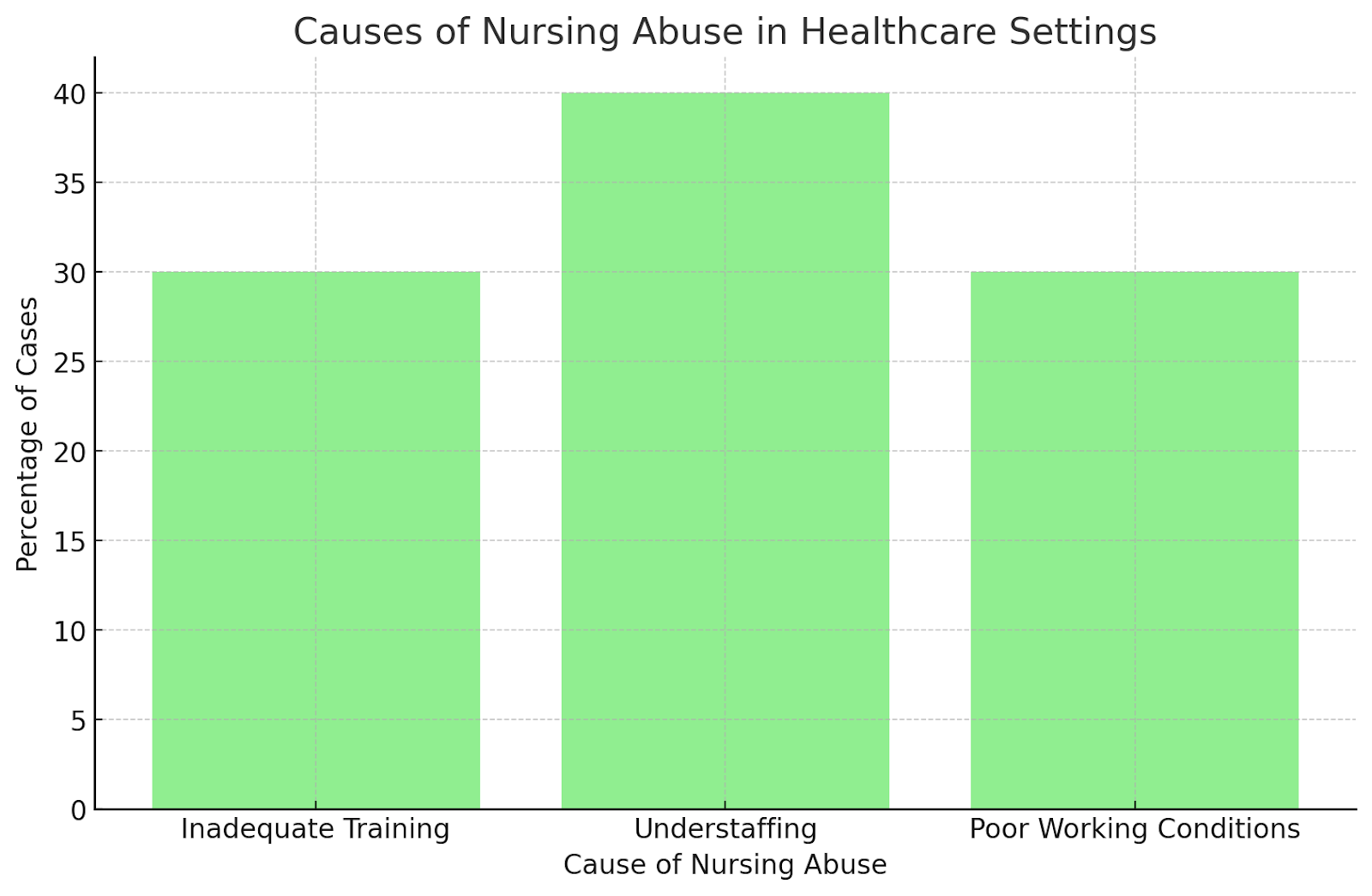
Understaffing. When too few aides cover too many residents, care suffers. Residents don’t get turned, fed on time, or helped to the bathroom. Falls increase because no one responds to call buttons promptly.
High staff turnover. Facilities that can’t retain employees often have toxic workplace cultures. New staff unfamiliar with residents’ needs make more mistakes. Continuity of care breaks down.
Inadequate training. Handling dementia patients, preventing bedsores, and recognizing medical emergencies require specific training. Undertrained staff make avoidable errors.
Poor supervision. When facilities don’t monitor staff behavior, abusers go undetected. Background check failures allow people with histories of violence or theft to access vulnerable residents.
Cost-cutting on supplies. Facilities that skimp on incontinence products, wound care supplies, or nutritional supplements put residents at risk to protect profit margins.
Infection control failures. Nursing homes saw devastating COVID-19 outbreaks. But even in normal times, inadequate infection protocols spread illness among immunocompromised residents.
What Are Important Local Resources for Nursing Home Abuse Victims in Chicago?
The following resources may assist families dealing with nursing home abuse in Chicago. Disparti Law Group Accident & Injury Lawyers does not endorse these organizations and provides this information for convenience only.
Illinois Department of Public Health — (217) 782-4977
Illinois Long-Term Care Ombudsman — (800) 252-8966
Chicago Police Department — (312) 746-6000
Illinois Department on Aging — (800) 252-8966
Cook County State’s Attorney Elder Abuse Unit — (312) 603-8700
AARP Illinois — (866) 448-3613
Disparti Law Group Accident & Injury Lawyers, Chicago Nursing Home Abuse Attorney
121 W Wacker Dr., #2300, Chicago, IL, 60601
Contact Disparti Law Group Accident & Injury Lawyers
When a nursing home harms your loved one, you need attorneys who will fight back against corporate defense teams and insurance adjusters. Disparti Law Group Accident & Injury Lawyers has helped families across Chicago hold negligent facilities accountable.
We offer free consultations for nursing home abuse cases. There’s no obligation, and we charge nothing unless we recover compensation for your family. We’ll review what happened, explain your legal options, and answer your questions honestly.
Your loved one deserves better. Contact our Chicago office to schedule a consultation with a Chicago, IL nursing home abuse attorney.