







Medical Malpractice Lawyer Chicago, IL
If a doctor, surgeon, nurse, or hospital caused you harm instead of healing, you may be facing additional treatment to fix what went wrong, mounting bills for care you shouldn’t have needed, and a medical system that seems designed to protect itself rather than answer your questions.
Disparti Law Group Accident & Injury Lawyers represents patients throughout Chicago who have been harmed by negligent medical care. Larry Disparti founded this firm to hold powerful institutions accountable, and that includes hospitals, physician groups, and the insurance companies that protect them. If you need a Chicago, IL medical malpractice lawyer, contact us for a free consultation to discuss what happened to you.
Why Choose Disparti Law Group Accident & Injury Lawyers for Medical Malpractice Cases in Chicago, IL?
Healthcare defendants don’t make accountability easy. Hospitals have risk management departments that begin damage control immediately after adverse events. Medical records get documented carefully, sometimes too carefully, with language chosen to minimize apparent negligence. Defense attorneys retain physicians who testify for hospitals regularly and know exactly what to say. Patients facing this defense require experienced and dedicated representation.
A Founder Who Takes On Healthcare Institutions
Larry Disparti started Disparti Law Group Accident & Injury Lawyers in Chicago because injured people deserve attorneys who won’t back down from powerful defendants. He sits on the Board of Managers for the Illinois Trial Lawyers Association and co-chairs ITLA’s Civil Practice & Rules Committee. These aren’t titles handed out freely. They reflect years of work advocating for people harmed by negligence.
His undergraduate degree came from the University of South Florida, and he earned his law degree from Stetson University College of Law. Larry holds licenses to practice in Illinois, Florida, Arizona, and Washington D.C. His professional memberships include the National Employment Lawyers Association, the Illinois Workers Compensation Lawyers Association, and the Justinian Society.
Larry Disparti holds membership in the Million Dollar Advocates Forum and Multi-Million Dollar Advocates Forum. These organizations restrict membership to attorneys who have secured verdicts or settlements exceeding one million dollars. Leading Lawyers recognizes him among the Top 10 Plaintiff Lawyers in Illinois, and the National Trial Lawyers Association includes him in their Top 100.
When patients need a personal injury attorney in Chicago, IL to challenge a hospital or physician, our firm has both the capability and the commitment these cases demand.
Verdicts That Prove We Can Deliver
Results tell the story. Disparti Law Group Accident & Injury Lawyers has recovered millions of dollars for clients harmed by negligence. Our outcomes include a $1.1 million medical malpractice verdict for a woman whose bladder was damaged during a routine hysterectomy, a $9.0 million verdict for a worker injured by equipment failure, and a $6.6 million verdict for a transit employee hurt in a train derailment. We understand how to build cases that hold up against aggressive defense tactics and resonate with juries who may initially feel uncomfortable questioning medical professionals.
No Upfront Fees for Injured Patients
Medical malpractice often creates financial crisis on top of physical harm. You need additional treatment to address what went wrong. You miss work during extended recovery. Bills arrive for care that caused harm instead of healing. Adding attorney fees to this burden would be impossible for most patients. We handle medical malpractice cases on contingency, meaning you pay nothing upfront and owe no fees unless we recover compensation. This structure allows us to invest the substantial resources these cases require without adding financial stress to families already struggling.
Patients Trust Us With Their Cases
⭐⭐⭐⭐⭐
“I had an excellent experience with my case manager Camila Rendon during my disability claim. The Disparti Law Group Accident & Injury Lawyers were knowledgeable, responsive, and truly cared about my situation. They kept me informed throughout the process, answered all my questions, and made sure everything was submitted properly. Because of their dedication and support, I was approved for disability. I’m extremely thankful and highly recommend their services.” — alex traba
Read more reviews on our Google Business Profile.
Types of Medical Malpractice Cases We Handle in Chicago
Medical negligence takes many forms across virtually every healthcare setting and specialty. We represent patients harmed by:
- Surgical errors. The surgeon operates on the wrong body part. A sponge gets left inside. Nerves that should have been avoided get severed. Anesthesia goes wrong. These errors happen far more often than patients realize, and the consequences range from additional surgery to permanent disability to death.
- Diagnostic failures. Cancer that gets dismissed as something minor until it spreads beyond treatment. Heart attacks misdiagnosed as anxiety. Strokes that get sent home with pain medication. When doctors miss diagnoses that competent physicians would have caught, patients lose precious time and sometimes lose their lives.
- Birth injuries. Cerebral palsy caused by delayed cesarean sections. Brachial plexus injuries from excessive force during delivery. Brain damage from oxygen deprivation that proper monitoring would have prevented.
- Medication errors. Wrong drug prescribed. Wrong dosage administered. Dangerous drug interactions that pharmacists should have caught. Allergic reactions to medications clearly documented in patient charts. These preventable mistakes kill thousands of Americans every year.
- Emergency room errors. Patients in crisis need fast, accurate diagnosis and treatment. When overwhelmed ERs discharge patients who should be admitted, misread test results, or fail to recognize life-threatening conditions, the outcomes can be catastrophic due to ER errors.
- Hospital-acquired infections. Proper sterile technique, hand hygiene, and infection control protocols prevent the spread of dangerous bacteria. When hospitals cut corners, patients develop sepsis, MRSA, and other infections that can prove fatal.
- Anesthesia mistakes. Too much sedation. Failure to monitor vital signs. Intubation errors. Allergic reactions to anesthetic agents. Anesthesia errors can cause brain damage, cardiac events, and death.
- Nursing home negligence. Bedsores that become septic. Falls from inadequate supervision. Medication errors. Malnutrition. Dehydration. When long-term care facilities fail their residents, the results range from suffering to preventable death.
Illinois Legal Requirements for Medical Malpractice Claims
Illinois medical malpractice law creates specific hurdles that patients must clear to pursue compensation. Understanding these requirements matters before filing any claim.
The Standard of Care
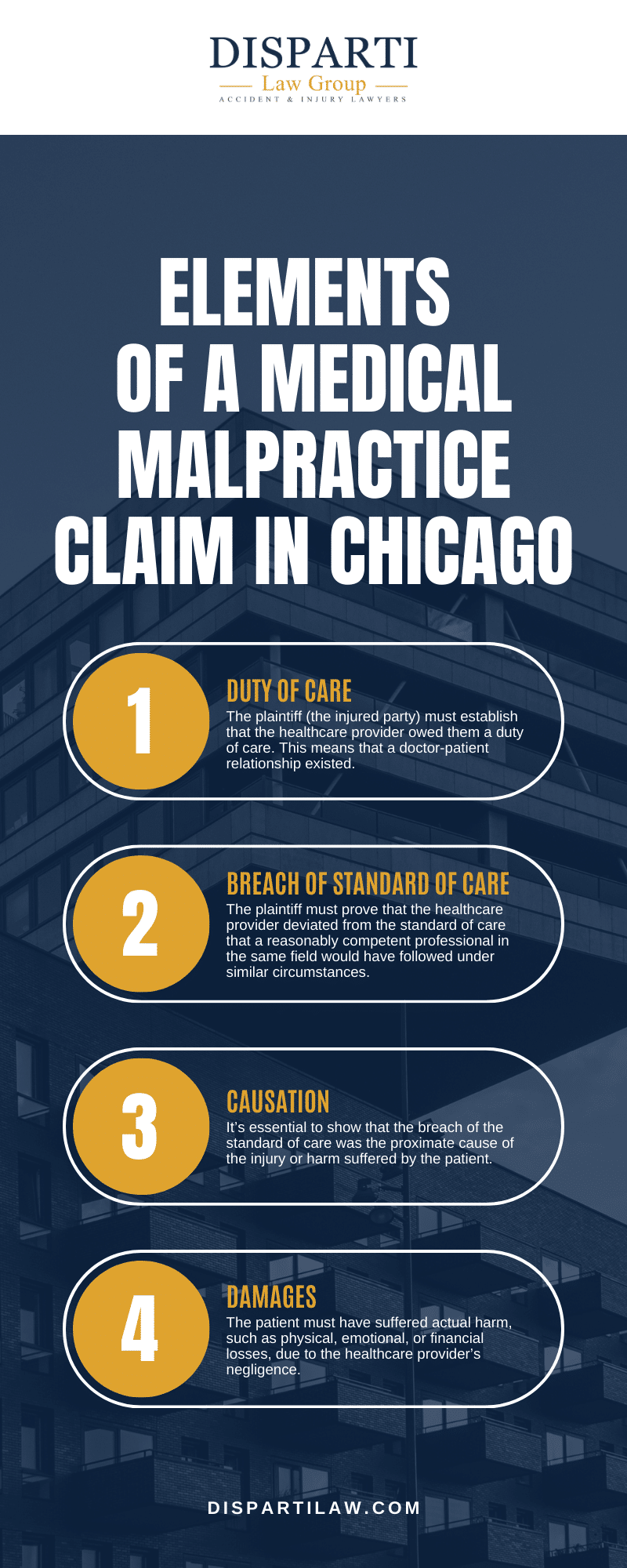
Winning a medical malpractice case requires proving that your healthcare provider deviated from the accepted standard of care and that this deviation caused your injuries. The standard of care means what a reasonably competent provider in the same specialty would have done under similar circumstances. This isn’t about perfection. Medicine involves uncertainty, and bad outcomes don’t automatically mean negligence occurred.
Affidavit of Merit Requirement
Illinois law under 735 ILCS 5/2-622 requires medical malpractice plaintiffs to file an affidavit along with a written report from a qualified healthcare professional. This report must state that the reviewing professional has determined reasonable and meritorious cause exists for filing the lawsuit. This requirement means attorneys must thoroughly investigate cases and consult with medical specialists before filing suit. Claims that lack merit get filtered out early, which protects both patients and providers.
Statute of Limitations
Medical malpractice claims in Illinois must generally be filed within two years of when the patient knew or reasonably should have known that an injury occurred and that it may have resulted from malpractice. However, no claim can be filed more than four years after the act or omission that caused the injury, regardless of when discovery occurred. Special rules apply to minors and cases involving fraudulent concealment of malpractice.
No Damage Caps
Illinois previously capped non-economic damages in medical malpractice cases, but the Illinois Supreme Court declared those caps unconstitutional in 2010. Today, no statutory limits restrict what juries can award for pain and suffering, disability, disfigurement, or other non-economic harms caused by medical negligence.
What Damages Are Recoverable in Chicago Medical Malpractice Cases?
Medical malpractice damages compensate patients for the harm caused by negligent care, which often extends far beyond the initial injury.
Economic Damages
Medical expenses represent the most obvious category. Patients harmed by malpractice need additional treatment to address what went wrong. Corrective surgeries, extended hospitalizations, rehabilitation, physical therapy, medications, and ongoing care all generate costs that wouldn’t exist but for the negligence. Future medical needs must be projected across the patient’s lifetime for permanent injuries.
Lost income compensates for wages missed during treatment and recovery. When injuries permanently limit earning capacity, future lost income becomes substantial. An accountant who suffers brain damage from anesthesia error may never work again. A surgeon whose hands were damaged during an unrelated procedure loses a career.
Out-of-pocket expenses include transportation for medical appointments, home modifications for disability, hiring help for tasks patients can no longer perform, and countless other costs that accumulate during extended recovery and beyond.
Non-Economic Damages
Pain and suffering compensates for physical agony endured during additional treatment and throughout life for permanent injuries. Surgical complications often require additional invasive procedures. Diagnostic delays mean cancer treatment that might have been manageable becomes aggressive and debilitating.
Emotional distress addresses the psychological impact of medical harm. Depression, anxiety, PTSD, and loss of trust in healthcare providers all deserve recognition. Some patients develop lasting fear of medical treatment that affects their willingness to seek necessary care.
Loss of enjoyment of life compensates when injuries prevent activities that gave life meaning. A musician whose hands were damaged. An athlete whose mobility was destroyed. A grandparent who can no longer play with grandchildren.
Punitive Damages
When healthcare providers act with conscious disregard for patient safety rather than mere negligence, punitive damages may be available. These awards punish egregious conduct and deter similar behavior. While rare in medical malpractice cases, circumstances involving intentional wrongdoing or extreme recklessness may support punitive recovery.
What Steps Should I Take If You Suspect Medical Malpractice in Chicago?
Patients who believe they were harmed by negligent medical care should protect their interests from the start. Taking certain steps preserves evidence and legal options.
1. Continue necessary medical treatment. Your health comes first. Follow recommendations from trustworthy providers to address the harm caused by malpractice. Refusing treatment or missing appointments creates arguments that you contributed to your own injuries.
2. Request complete medical records. Illinois law requires providers to furnish records within 30 days of a written request. Obtain records from every facility and provider involved in your care — before, during, and after the negligent treatment. This includes office visits, hospital stays, imaging studies, lab results, operative reports, and nursing notes.
3. Document everything yourself. Keep a journal recording your symptoms, pain levels, limitations, emotional state, and the impact of your injuries on daily life. Note dates of appointments, names of providers you see, and any statements made about your condition or what caused it. These contemporaneous notes become valuable evidence.
4. Preserve all physical evidence. If your injuries involved medical devices, implants, or products, do not discard them. If surgical pathology exists, ensure it’s preserved. Physical evidence sometimes proves critical to establishing what went wrong.
5. Don’t sign medical records releases to insurance companies. The negligent provider’s malpractice insurer will contact you seeking information. You’re not obligated to sign releases giving them access to your entire medical history. They’ll look for pre-existing conditions and unrelated issues to blame for your current problems.
6. Be careful discussing your case. Avoid posting about your medical situation on social media. Don’t discuss details with hospital staff, patient advocates, or risk managers without legal guidance. Statements can be taken out of context and used against you.
7. Research your condition. Understanding what happened helps you participate in your care and recognize whether negligence may have played a role. Medical literature, patient advocacy organizations, and second opinions from uninvolved physicians can provide clarity.
8. Contact a Chicago medical malpractice attorney promptly. Statute of limitations deadlines, evidence preservation concerns, and the need for qualified medical review all make early consultation important.
Chicago Medical Malpractice Infographic
Medical Malpractice Statistics in Chicago
Medical errors represent a significant source of preventable harm and death across the United States.
Research published through the National Institutes of Health has estimated that medical errors rank among the leading causes of death in America. Precise numbers remain difficult to establish because death certificates rarely list medical error as a cause, but studies suggest the true toll reaches hundreds of thousands of patients annually.
The Agency for Healthcare Research and Quality tracks patient safety events across healthcare settings. Their data shows that preventable adverse events remain common despite decades of quality improvement initiatives. Hospital-acquired infections, surgical complications, diagnostic errors, and medication mistakes continue to harm patients at unacceptable rates.
According to the Centers for Disease Control and Prevention, healthcare-associated infections alone affect approximately 1 in 31 hospital patients on any given day. These infections cause tens of thousands of deaths annually and billions in additional healthcare costs, yet many are preventable with proper protocols.
The Joint Commission accredits hospitals and tracks sentinel events like unexpected occurrences involving death or serious harm. Their data reveals that wrong-site surgery, falls, medication errors, and delays in treatment continue to appear repeatedly in reports from accredited facilities nationwide.
Data from the Illinois Department of Public Health shows that adverse events occur in Illinois hospitals at rates comparable to national patterns. Cook County’s concentration of major medical centers means that even small percentage rates translate to significant numbers of affected patients in absolute terms.
The American Medical Association acknowledges that diagnostic errors contribute to approximately 10% of patient deaths and account for a substantial percentage of malpractice claims. These errors occur across all specialties and healthcare settings.
Chicago Medical Malpractice Lawyer FAQs
How do I know if I have a medical malpractice case?
Medical malpractice requires proving that your provider deviated from accepted standards and that this deviation caused your injuries. Bad outcomes don’t automatically mean malpractice occurred, medicine involves inherent uncertainty. Signs that warrant investigation include unexpected complications, conditions that worsen despite treatment, never events like wrong-site surgery, and outcomes that other doctors express surprise about.
What is the statute of limitations for medical malpractice in Illinois?
Claims must generally be filed within two years of when you knew or should have known about the injury and its potential connection to malpractice. However, no claim can be filed more than four years after the negligent act, regardless of discovery. Special rules apply to minors and fraudulent concealment. These interacting deadlines create complexity that makes early consultation essential.
What does the affidavit requirement mean for my case?
Before filing a medical malpractice lawsuit in Illinois, your attorney must obtain a written report from a qualified healthcare professional stating that reasonable cause exists for the claim. This requirement means we must thoroughly investigate your case and consult with appropriate specialists before proceeding. Cases that lack merit don’t move forward, which actually helps legitimate claims by filtering out frivolous litigation.
Can I sue both the doctor and the hospital?
Depending on circumstances, both individual physicians and hospitals may bear liability. Hospitals are responsible for their employees’ negligence and may also be directly liable for inadequate staffing, poor protocols, dangerous policies, or faulty equipment. Physicians may be hospital employees or independent contractors, which affects the liability analysis. We investigate thoroughly to identify all responsible parties.
What kind of compensation can I receive?
Medical malpractice damages include past and future medical expenses, lost income and earning capacity, pain and suffering, emotional distress, loss of enjoyment of life, and disfigurement. Severe cases involving permanent disability, catastrophic injury, or death can justify substantial awards. We evaluate each case individually based on injury severity, treatment needs, and life impact.
How long do medical malpractice cases take?
These cases typically require extensive investigation, expert consultation, and often prolonged litigation. The legal implications of medical malpractice cases affect timeline, which varies from one to several years depending on case complexity, defendant cooperation, and whether trial becomes necessary. Cases involving catastrophic injuries and substantial damages often take longer because defendants fight harder when more money is at stake.
Will I have to testify against my doctor?
Testimony may be required through deposition or at trial, but many cases settle before trial occurs. If testimony becomes necessary, we prepare you thoroughly for what to expect. Your role is to honestly describe your experience, symptoms, and the impact of your injuries on your life. Medical aspects of the case get addressed through qualified physician testimony from expert witnesses.
What if the doctor says the outcome was just a known risk?
Informed consent acknowledges risks inherent in medical procedures. But consent to undergo a procedure is not consent to negligent performance of that procedure. The question is whether your provider met the standard of care, not whether complications are theoretically possible. A known risk of surgery is infection, but leaving a sponge inside a patient is negligence regardless of what consent forms say.
How do I pay for medical care while my case is pending?
Health insurance typically covers treatment, then seeks reimbursement from any settlement through subrogation. Medicare and Medicaid may also provide coverage. Some providers work on liens, deferring payment until cases resolve. The process of how medical bills get covered in injury cases involves coordination between multiple sources, and we help patients navigate these options to ensure they receive necessary care regardless of case timing.
What makes medical malpractice cases difficult to win?
Several factors create challenges. Jurors often feel uncomfortable questioning medical professionals. Defense attorneys hire physicians who testify regularly and present confidently. Medical records require interpretation that favors whoever is doing the interpreting. Proving causation when patients have underlying health issues can be complex. The elements required to prove medical malpractice make experienced representation essential.
Should I get a second opinion before filing a lawsuit?
Second opinions from uninvolved physicians can provide valuable perspective on whether your original care was appropriate. However, treating physicians are often reluctant to criticize colleagues directly. The formal evaluation required for malpractice claims comes from reviewing physicians retained specifically to analyze whether standards were met.
Can I sue for a misdiagnosis?
Yes, if the misdiagnosis fell below the standard of care and caused harm. The question is whether a reasonably competent physician in the same specialty would have made the correct diagnosis under similar circumstances. Delayed cancer diagnosis, missed heart attacks, and stroke misdiagnosis are common bases for malpractice claims, and diagnostic errors that cause patient harm can support substantial claims. Emergency room errors represent another frequent source of misdiagnosis cases.

Common Types of Medical Errors in Chicago Hospitals
Certain categories of negligence appear repeatedly in medical malpractice claims:
Diagnostic errors. Conditions get missed, delayed, or misidentified. Cancer that presents obviously gets dismissed as benign. Heart attacks get sent home as indigestion. These errors occur across all specialties and account for a substantial percentage of malpractice claims.
Surgical mistakes. Wrong site, wrong patient, wrong procedure. Instruments and sponges left inside. Structures damaged that should have been avoided. Post-operative infections from poor sterile technique. Operating rooms see preventable errors regularly despite safety protocols.
Medication errors. Wrong drug, wrong dose, dangerous interactions. Allergies documented in charts that get ignored. Administration timing mistakes. These errors occur at every step from prescribing through administration.
Communication failures. Test results that don’t reach treating physicians. Handoff errors between shifts. Specialists who don’t share findings with primary care. Information gaps cause harm when critical details get lost.
Monitoring failures. Vital signs that deteriorate without response. Post-surgical complications that develop undetected. Fetal distress during labor that goes unaddressed. Patients in hospitals should be safer than patients at home, but monitoring failures undermine that assumption.
What Are Important Local Resources for Medical Malpractice Victims in Chicago?
The following resources may assist patients dealing with medical malpractice in Chicago. Disparti Law Group Accident & Injury Lawyers does not endorse these organizations and provides this information for convenience only.
Illinois Department of Financial and Professional Regulation — (888) 473-4858
Illinois Department of Public Health — (217) 782-4977
Joint Commission Complaint Hotline — (800) 994-6610
Patient Advocate Foundation — (800) 532-5274
Illinois State Medical Society — (312) 782-1654
Medicare Quality of Care Complaints — (800) 633-4227
Disparti Law Group Accident & Injury Lawyers, Chicago Medical Malpractice Attorney
121 W Wacker Dr. Suite 2300, Chicago, IL 60601
Contact Disparti Law Group Accident & Injury Lawyers
When the healthcare system that should have healed you causes harm instead, finding the right attorney matters. Disparti Law Group Accident & Injury Lawyers has the resources and determination to take on hospitals, physician groups, and their insurers while treating you with the respect your situation deserves.
We offer free consultations to patients who believe they were harmed by medical negligence. There is no obligation, and you pay nothing unless we recover compensation. We will review what happened, consult with appropriate medical professionals, and give you honest answers about whether you have a viable claim.
You deserved better care. Contact our Chicago office to schedule a consultation with a Chicago, IL medical malpractice attorney ready to fight for the compensation you deserve.