




Rideshare Accident Lawyer Naperville, IL
If you have been injured while riding in an Uber or Lyft in Naperville, you already know how confusing the aftermath can be. Was the driver on the app? Whose insurance covers what? Why is everyone pointing fingers at someone else? Unlike a typical car accident where one insurance company handles everything, rideshare crashes involve layers of policies, corporate legal teams, and a driver classification system designed to protect the company rather than you.
At Disparti Law Group Accident & Injury Lawyers, we have spent years untangling the insurance web that Uber, Lyft, and their insurers create when passengers get hurt. We understand the Illinois Transportation Network Providers Act, we know how to access trip data and driver logs, and we have recovered millions of dollars for clients dealing with injuries that were not their fault. When you need a Naperville, IL rideshare accident lawyer who will cut through the confusion and fight for real compensation, we are here. Your consultation costs nothing, and you will not owe us a penny unless we recover money for you.
Why Choose Disparti Law Group Accident & Injury Lawyers for Rideshare Accident Cases in Naperville, IL?
 We Understand the Local Courts and Illinois Rideshare Law
 We Understand the Local Courts and Illinois Rideshare Law
Naperville residents rely heavily on rideshare services, especially for getting to Metra stations, downtown restaurants, and entertainment venues without worrying about parking. Our personal injury lawyer in Naperville, IL has represented passengers and drivers involved in Uber and Lyft crashes throughout DuPage County. We know the local court system, we understand how insurance companies operating in this area handle claims, and we have the relationships with medical experts and accident reconstructionists that make a difference when your case needs to go beyond a basic demand letter.
Larry Disparti founded this firm with a commitment to helping injury victims navigate complex claims. He holds licenses to practice in Illinois, Florida, Arizona, and Washington, D.C. Larry is a member of the National Trial Lawyers Association and the Million Dollar Advocates Club, recognitions limited to attorneys who have achieved significant verdicts and settlements. He serves on the Board of Managers for the Illinois Trial Lawyers Association and co-chairs its Civil Practice & Rules Committee.
Amanda Martin has been trying cases for more than twenty years. She graduated from DePaul University College of Law and has earned Super Lawyers Rising Star recognition multiple times. Amanda brings a meticulous approach to every case, which matters when you are dealing with rideshare companies that have entire departments devoted to denying and minimizing claims.
Proven Results Against Major Insurers
Our firm has gone up against some of the largest insurance carriers in the country and recovered millions of dollars for injured clients. Uber and Lyft crashes may be different from traditional car accidents, but the goal remains the same. We fight for fair compensation.
No Fee Unless We Win
We work on contingency. That means there is no bill at the end of the month, no retainer required, and no financial risk to get started. If we do not recover money for you, you owe us nothing.
Client Feedback That Speaks for Itself
⭐⭐⭐⭐⭐
“Disparti Law Group Accident & Injury Lawyers is amazing!! They are all very professional and informative while helping through a difficult time. I would highly recommend them to all my friends and family…” — Shannon Dolan
Read more reviews on our Google Business Profile.
Types of Rideshare Accident Cases We Handle in Naperville
 Rideshare accidents happen in different scenarios, and the circumstances affect both liability and available insurance coverage.
- Passenger injuries. You requested an Uber or Lyft, got into the vehicle, and were hurt when your driver caused an accident or when another driver struck your rideshare vehicle. Passengers are generally in the strongest position for compensation because Illinois law requires $1 million in liability coverage once a ride is in progress.
- Collisions with rideshare vehicles. You were driving your own car, walking, or riding a bicycle when an Uber or Lyft driver hit you. These claims require determining whether the driver had the app on and what phase of the trip they were in. The available insurance coverage varies significantly depending on whether the driver was waiting for a request, en route to pick up a passenger, or actively transporting someone.
- Accidents involving waiting drivers. A driver had the app turned on but had not yet accepted a ride request when the crash occurred. During this phase, coverage drops to $50,000 per person for bodily injury, $100,000 per accident, and $25,000 for property damage. This is often not enough for serious injuries, which is why identifying all potential sources of recovery becomes critical.
- Hit-and-run and uninsured motorist claims. Another vehicle struck your rideshare vehicle and fled, or the at-fault driver lacked adequate insurance. Uber and Lyft are required to carry $50,000 in uninsured and underinsured motorist coverage during active trips in Illinois. Our firm also handles pedestrian accident and bicycle accident claims involving rideshare vehicles.
- Driver-on-driver accidents. You work as an Uber or Lyft driver and were hurt while transporting a passenger. Depending on the circumstances, you may have claims against the other driver, multiple insurance policies, and potentially a workers compensation claim if the company’s classification of you as an independent contractor is disputed. If you receive inadequate medical care after the crash, a medical malpractice claim may also arise.
- Accidents at pickup and drop-off locations. Dangerous conditions at the place where you entered or exited a rideshare vehicle can lead to injuries. Poorly maintained parking lots, uneven sidewalks, or inadequate lighting may give rise to a premises liability claim against the property owner in addition to any claim against the rideshare driver or company.
Illinois Legal Requirements for Rideshare Accident Cases
 The Illinois Transportation Network Providers Act (625 ILCS 57) governs how Uber, Lyft, and similar companies must operate in this state. The law establishes tiered insurance requirements that depend on what the driver was doing at the moment of the crash.
App off. When a driver is not logged into the rideshare app, their personal auto insurance applies. Uber and Lyft provide no coverage during this period. If you are injured by someone who happens to drive for Uber but was not working at the time, the case is handled like any other car accident.
App on, waiting for a request. Once the driver logs in and becomes available, contingent coverage kicks in. The minimums are $50,000 per person for bodily injury, $100,000 per accident, and $25,000 for property damage. This coverage applies only if the driver’s personal policy does not cover the incident.
En route to passenger or during a trip. From the moment a driver accepts a ride request until the passenger exits the vehicle, Uber and Lyft must provide $1 million in liability coverage. This is the highest level of protection and typically applies when you are injured as a passenger. The companies must also carry $50,000 in uninsured and underinsured motorist coverage during this phase.
Illinois follows a modified comparative negligence rule under 735 ILCS 5/2-1116. You can recover compensation even if you were partially at fault, as long as your responsibility does not exceed 50 percent. Your recovery will be reduced by your share of fault.
The statute of limitations for personal injury cases is two years from the date of injury under 735 ILCS 5/13-202. Rideshare data including trip logs, GPS information, and app status can be critical to your claim, and this evidence may be overwritten if not preserved quickly. Consulting an attorney soon after the accident helps protect your ability to build a strong case.
What Damages Are Recoverable in a Naperville Rideshare Accident Case?
 Illinois law allows you to seek compensation for all losses caused by someone else’s negligence. In rideshare cases, multiple insurance policies may be available, which can mean higher potential recovery for serious injuries.
Economic damages cover financial losses you can prove with documentation. Medical bills from emergency treatment, hospital stays, surgery, physical therapy, imaging, and prescriptions are all recoverable. If your injuries required extensive care or will need ongoing treatment, future medical expenses can also be included. Lost wages from time missed at work count, as does reduced earning capacity if your injuries prevent you from returning to your previous job. Understanding how insurance companies calculate settlements can help you recognize whether an offer reflects the real value of your claim.
Non-economic damages compensate for losses that do not come with receipts. Pain and suffering addresses the physical discomfort from your injuries and the ongoing challenges of recovery. Emotional distress accounts for anxiety, depression, fear of riding in vehicles, and other psychological impacts. Loss of enjoyment of life covers activities you can no longer participate in or enjoy the way you did before the accident.
Punitive damages may be available in rare cases involving egregious conduct, such as a rideshare company knowingly allowing a driver with a violent criminal history to transport passengers, or a driver operating under the influence.
Rideshare crashes can result in catastrophic injuries including traumatic brain damage, spinal cord injuries, and multiple fractures. In the most tragic cases, families may need to pursue a wrongful death claim. When injuries are life-altering, the stakes are too high to accept the first offer an insurance company makes.
What Steps Should I Take After a Rideshare Accident in Naperville?
 The actions you take immediately after a crash can significantly affect your ability to recover compensation. Here is what you should do.
- Check yourself and others for injuries. Your health comes first. Even if you feel fine, remember that adrenaline can mask symptoms.
- Call 911. You need a police report, and you may need emergency medical treatment. Illinois law requires reporting accidents involving injury or significant property damage.
- Stay at the scene. Do not leave until police have taken your statement and released you.
- Take screenshots of the trip. Use your phone to capture your Uber or Lyft trip information, including the driver’s name, photo, vehicle details, and trip route. This information may disappear from your app.
- Photograph everything. Take pictures of all vehicles, damage, skid marks, traffic signals, road conditions, and your visible injuries.
- Get contact information from witnesses. Bystanders who saw what happened can provide valuable testimony. Grab names and phone numbers before people leave.
- Report the accident through the app. Both Uber and Lyft have mechanisms for reporting safety incidents. Stick to basic facts about what happened. Do not speculate about fault or describe your injuries in detail.
- Seek medical attention promptly. Go to an emergency room or urgent care, or see your doctor within a day or two. Some injuries, particularly to soft tissue and the brain, may not show symptoms immediately.
- Do not give recorded statements to insurance companies. Adjusters for Uber, Lyft, and other insurers may contact you quickly. You are not required to give a recorded statement, and doing so before you understand the extent of your injuries can hurt your case.
- Contact a Naperville rideshare accident attorney. The insurance landscape in these cases is complicated. Having legal representation from the beginning helps ensure evidence is preserved and nobody takes advantage of you.
Rideshare Accident Statistics in Naperville, IL
 Ridesharing has transformed how people get around, but the growth of these services has brought new safety concerns.
A University of Chicago study found that cities where Uber and Lyft operate have seen a roughly 3 percent increase in traffic-related fatalities each year since these services launched. That translates to nearly 1,000 additional roadway deaths annually across the country. The study attributed much of this increase to the sheer number of additional vehicles now on the road providing rides.
Research published in the Journal of Safety Research in 2024 found that one-third of surveyed rideshare drivers had been involved in a crash while working. Factors contributing to accidents included cellphone distraction from managing the app and navigation, fatigue from long hours or working multiple jobs, and unfamiliarity with routes.
According to Uber’s safety reports, there were 153 fatalities in Uber-related accidents nationwide during 2021 and 2022. Lyft reported 111 traffic fatalities during 2020 through 2022. While both companies note that safety incidents represent a tiny fraction of total trips, even small percentages add up to real people getting hurt.
In Naperville specifically, rideshare vehicles are common sights at Metra stations, Route 59 shopping areas, and downtown entertainment districts. The mix of suburban traffic patterns, busy intersections, and drivers navigating unfamiliar neighborhoods creates conditions where accidents happen. Route 59, which accounts for nearly 16 percent of all Naperville traffic accidents, sees frequent rideshare pickups and drop-offs near retail centers.
Naperville Rideshare Accident Lawyer FAQs
 Who is liable when an Uber or Lyft driver causes an accident?
 Who is liable when an Uber or Lyft driver causes an accident?
Multiple parties may share liability. The driver can be personally responsible. Uber or Lyft may be liable depending on what phase of the trip the driver was in. In some cases, the company may be held accountable for negligent hiring if they failed to screen a driver properly.
What if another driver caused the accident while I was a rideshare passenger?
You would typically pursue a claim against the at-fault driver’s insurance first. If that driver is uninsured or underinsured, Uber and Lyft’s uninsured motorist coverage may apply. As a passenger, you were not at fault, which generally makes your claim stronger.
Does Uber or Lyft insurance cover my injuries?
It depends on what the driver was doing at the time of the accident. If the driver had accepted a ride request or was actively transporting you, up to $1 million in liability coverage should be available. If the driver was just waiting for a request with the app on, lower coverage limits apply.
How is a rideshare accident different from a regular car accident?
The main difference is the complexity of insurance coverage. Regular car accidents involve one or two personal auto policies. Rideshare accidents can involve the driver’s personal policy, contingent coverage, commercial policies from Uber or Lyft, and potentially the at-fault driver’s insurance if another vehicle caused the crash.
What if the rideshare driver was not logged into the app?
If the driver’s app was off, Uber and Lyft typically provide no coverage. The claim would be handled through the driver’s personal auto insurance, just like any other car accident.
Can I sue Uber or Lyft directly?
It can be challenging because rideshare companies classify drivers as independent contractors rather than employees. However, claims against the company may be possible if there is evidence of negligent hiring, inadequate background checks, or failure to enforce safety policies.
How long do I have to file a lawsuit?
The statute of limitations for personal injury claims in Illinois is generally two years from the date of injury. Missing this deadline typically bars your claim entirely.
What compensation can I recover?
You may recover medical expenses, lost wages, future medical costs, lost earning capacity, pain and suffering, emotional distress, and loss of enjoyment of life.
Should I accept the insurance company’s first settlement offer?
Almost never. Initial offers are designed to close claims quickly and cheaply. An experienced attorney can evaluate whether an offer reflects the true value of your injuries.
What should I bring to my consultation?
Bring screenshots of your trip information, the police report, photographs from the scene, medical records and bills, correspondence from insurance companies, and documentation of missed work.
What if I was injured while working as a rideshare driver?
You may have claims against the other driver’s insurance, your own policy, and potentially Uber or Lyft’s coverage depending on your app status. The question of whether you qualify for workers compensation is complex because of how these companies classify drivers.
How much does a rideshare accident lawyer cost?
We work on contingency. You pay nothing upfront and owe no attorney fees unless we recover compensation for you.
What if the rideshare driver fled the scene?
Hit-and-run claims are challenging but not impossible. We work with investigators to identify drivers, and uninsured motorist coverage may apply if the driver cannot be found.
Can I recover damages if I was partly at fault?
Yes. Illinois allows recovery as long as your fault does not exceed 50 percent. Your compensation will be reduced by your percentage of responsibility.
What happens if my injuries get worse over time?
Some injuries, particularly to the back, neck, and brain, may not show their full severity immediately. Ongoing medical documentation helps establish the connection between your accident and your worsening condition.
Most Dangerous Locations for Rideshare Accidents in Naperville
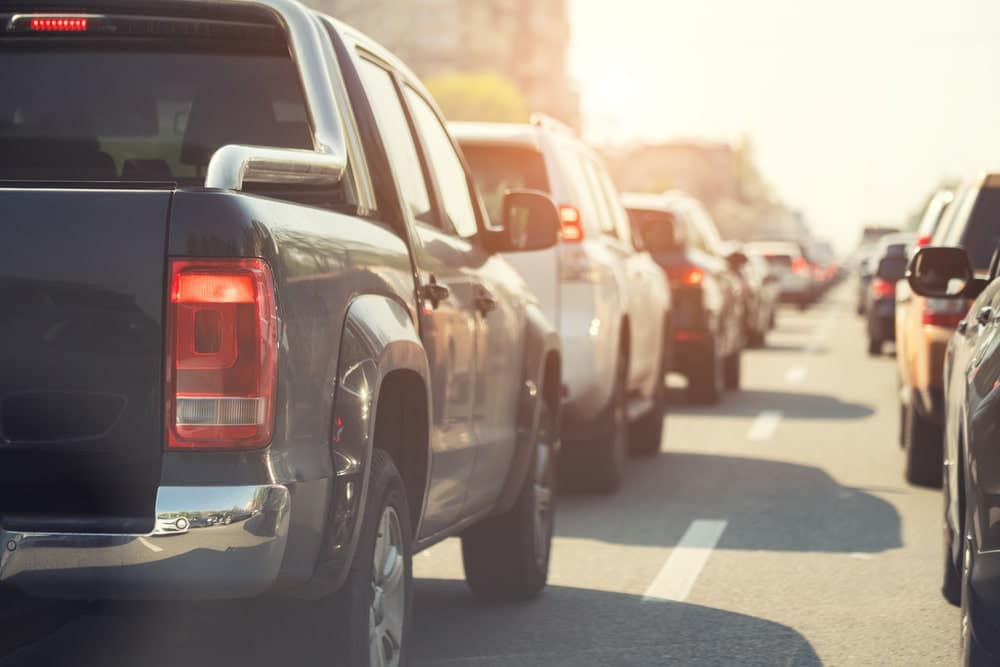 Rideshare pickups and drop-offs concentrate around certain areas that also tend to see higher traffic accident rates.
Downtown Naperville. The area around Main Street, Jackson Avenue, and Washington Street sees heavy rideshare activity, particularly during evenings and weekends when people visit restaurants and entertainment venues. Pedestrian traffic, limited parking visibility, and vehicles stopping suddenly for pickups create conditions for collisions. Slip and fall injuries can also occur when passengers exit vehicles onto uneven sidewalks or icy curbs.
Naperville Metra Stations. The Route 59 station and downtown Naperville station are busy pickup and drop-off points. Drivers unfamiliar with traffic patterns around these stations may stop illegally, cut off other vehicles, or fail to yield to pedestrians.
Route 59 Corridor. The stretch of Route 59 between I-88 and Ogden Avenue includes numerous shopping centers, restaurants, and office buildings where rideshare activity is constant. This corridor sees nearly 16 percent of all Naperville accidents.
Fox Valley Mall Area. Rideshare vehicles frequently serve shoppers at Fox Valley Mall and surrounding retail centers. The combination of heavy traffic, complex parking lot layouts, and distracted drivers checking apps creates accident risks.
Hotel and Conference Areas. Business travelers arriving at hotels along Warrenville Road and Diehl Road often use rideshare services. Unfamiliar drivers navigating corporate park roads can create hazards for other motorists and motorcycle riders.
What Are Important Local Resources for Naperville Rideshare Accident Victims?
 The following local resources may be helpful after a rideshare accident in Naperville. Disparti Law Group Accident & Injury Lawyers does not endorse and has no affiliation with any organization listed below.
Naperville Police Department — (630) 420-6666
DuPage County Sheriff’s Office — (630) 407-2400
Edward-Elmhurst Health — (630) 527-3000
Advocate Good Samaritan Hospital — (630) 275-5900
Naperville Fire Department — (630) 420-6152
Contact Disparti Law Group Accident & Injury Lawyers
 If you were injured in an Uber or Lyft accident in Naperville, dealing with multiple insurance companies while trying to recover from your injuries is the last thing you need. Our attorneys handle the legal complexity so you can focus on getting better.
We take rideshare accident cases on contingency. You pay nothing unless we win. The initial consultation is free, and we will give you a straightforward assessment of your situation without pressure. We respond quickly to inquiries and keep clients informed throughout the process.
Contact us today to schedule your free consultation with a Naperville rideshare accident lawyer who knows how to take on Uber, Lyft, and their insurers.