





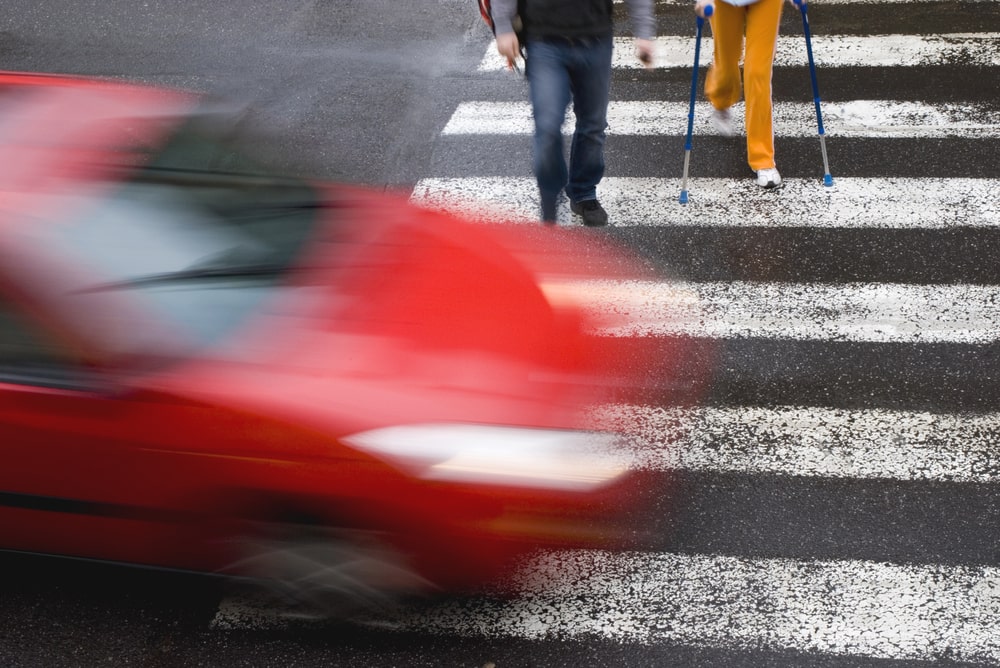
Most people assume that when a car hits a pedestrian, the driver is automatically at fault. That’s not always how it works. Illinois law recognizes that pedestrians can share responsibility for an accident, and when they do, it changes how compensation is calculated.
That said, shared fault doesn’t mean you’re out of options. At Disparti Law Group Accident & Injury Lawyers, we’ve represented pedestrians who were told by insurance adjusters that they were partly to blame and therefore didn’t have a case. In many of those situations, our clients still recovered significant compensation. The law allows for that, and understanding how it works matters.
How Comparative Negligence Applies
Illinois follows a modified comparative negligence standard under 735 ILCS 5/2-1116. In plain terms, you can still recover damages as long as your share of fault doesn’t exceed 50 percent. If you’re found to be 51 percent or more at fault, you’re barred from recovering anything.
When fault is shared, your compensation gets reduced by your percentage of responsibility. So if a jury determines your total damages are $100,000 but you were 20 percent at fault, you’d receive $80,000. The Illinois Department of Insurance provides a helpful overview of how this framework applies to accident claims across the state.
What Could Make a Pedestrian Partially at Fault
Insurance companies look for any behavior that suggests the pedestrian contributed to the accident. Some of the most common arguments include:
- Crossing outside of a marked crosswalk or against a traffic signal
- Walking while distracted by a phone or wearing headphones
- Entering the roadway suddenly without giving a driver time to react
- Walking along a road at night without visible or reflective clothing
- Jaywalking on a high-speed road where pedestrian traffic isn’t expected
These factors don’t automatically make the pedestrian at fault. They’re arguments that the other side will raise to reduce the value of your claim. Whether they hold up depends on the full context of the accident, including what the driver was doing at the time.
Drivers Still Have a Duty of Care
Even if a pedestrian shares some fault, Illinois law places a strong obligation on drivers. Under 625 ILCS 5/11-1003.1, every driver must exercise due care to avoid colliding with a pedestrian and is required to sound the horn when necessary. Drivers also owe a heightened duty of care when they observe a child or someone who appears confused or incapacitated.
A pedestrian who jaywalked doesn’t give a speeding or distracted driver a free pass. Both parties can be negligent at the same time, and the law accounts for that.
Why This Matters for Your Claim
Insurance adjusters in pedestrian accident cases in Naperville, IL will almost always try to shift some blame onto the injured person. It’s one of the most effective tools they have for reducing a payout. If you accept that framing without pushing back, you could lose a significant portion of the compensation you’re entitled to.
A Naperville, IL pedestrian accident lawyer can investigate the facts of your case, challenge inflated fault arguments, and build a claim that reflects what actually happened. We work to make sure the driver’s negligence stays at the center of the conversation where it belongs.
If you were hit by a vehicle and you’re being told you were partly to blame, contact Disparti Law Group Accident & Injury Lawyers. We’ll review the details and help you understand what your case is actually worth.