






School Sexual Abuse Lawyer Chicago, IL
If your child was sexually abused by a teacher, coach, or other school employee, you may be wondering what to do to protect them. Schools have legal obligations to screen employees, supervise interactions with students, respond when warning signs appear, and report suspected abuse to authorities. Failures in any of these duties can create liability when children are harmed.
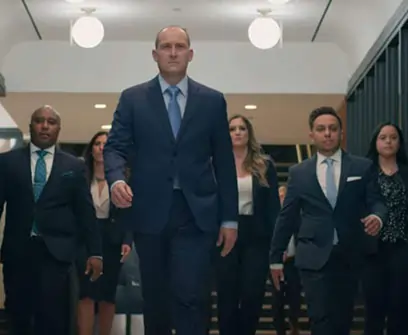
Disparti Law Group Accident & Injury Lawyers represents Chicago families whose children were sexually abused in educational settings. Larry Disparti started this firm because powerful institutions should face consequences when they cause harm, and few institutions hold more power over children than schools. If you need a Chicago, IL school sexual abuse lawyer, we offer free and completely confidential consultations to families seeking justice.
Why Choose Disparti Law Group Accident & Injury Lawyers for School Sexual Abuse Cases in Chicago, IL?
School districts don’t roll over when abuse allegations surface. They hire defense attorneys who specialize in protecting institutions. They argue the abuse was unforeseeable, that their policies were adequate, that the employee acted outside any scope of employment. Insurance companies backing these districts have seen thousands of claims and know exactly how to minimize payouts. Your family needs representation that can match this firepower while handling your case with the care that traumatized families deserve.
Taking On Institutions That Harm Children
Larry Disparti founded Disparti Law Group Accident & Injury Lawyers in Chicago. He sits on the Board of Managers for the Illinois Trial Lawyers Association and co-chairs ITLA’s Civil Practice & Rules Committee, positions that reflect his standing among attorneys who represent injured people against institutional defendants.
His undergraduate degree is from the University of South Florida. Law school was Stetson University College of Law. He practices in Illinois, Florida, Arizona, and Washington D.C., and his memberships include the National Employment Lawyers Association, the Illinois Workers Compensation Lawyers Association, and the Justinian Society.
When families need a personal injury attorney in Chicago, IL willing to go after a school district, our firm has both the determination and the resources to do it effectively.
Our Track Record Speaks for Itself
Disparti Law Group Accident & Injury Lawyers has recovered millions of dollars for people harmed by negligence and institutional failures. A $9.0 million verdict for a worker injured when safety protocols failed. A $6.6 million verdict for a transit employee hurt because procedures weren’t followed. These results required taking on well-funded defendants who thought their resources would protect them from accountability.
No Money Required From Your Family
Families dealing with a child’s trauma shouldn’t have to worry about paying attorneys. We take school sexual abuse cases on contingency, which means you pay nothing upfront and owe nothing unless we win. All investigation costs, expert witness fees, and litigation expenses come from us. If we don’t recover compensation, you don’t pay.
Larry Disparti is a member of the Million Dollar Advocates Forum and Multi-Million Dollar Advocates Forum. Leading Lawyers has named him among the Top 10 Plaintiff Lawyers in Illinois, and the National Trial Lawyers Association includes him in their Top 100.
What Clients Say About Working With Us
⭐⭐⭐⭐⭐
“Disparti Law group was patient and answered all of my many questions about my ongoing case. Highly recommended!” — Jonathan Hawkins
Read more reviews on our Google Business Profile.
Types of School Sexual Abuse Cases We Handle in Chicago
Abuse happens across every type of educational setting and involves people in many different roles. We help families dealing with:
-
Abuse by teachers. The classroom creates enormous opportunity for predators. Teachers control grades, spend hours with students, and often develop what parents assume are mentoring relationships. Some predators use this access to groom children over months before abuse begins. Others act more quickly when opportunity presents itself.
-
Abuse by coaches and athletic staff. Sports bring additional vulnerability that predators exploit. There are locker rooms and travel and private training sessions. Physical contact is normal in athletics, which can blur boundaries. Young athletes often defer completely to coaches, especially when playing time or scholarships feel at stake.
-
Abuse by administrators. Principals, assistant principals, counselors, and deans meet with students privately as part of their jobs. Their authority makes it hard for children to report because they may assume no one will believe them over someone in leadership.
-
Abuse by support staff. Bus drivers, custodians, cafeteria workers, and paraprofessionals have access to students with far less oversight than classroom teachers receive. Some predators specifically seek these jobs because supervision is minimal and background check requirements have historically been weaker.
-
Student-on-student abuse that schools ignored. Peer sexual abuse sometimes flourishes when schools fail to supervise properly or refuse to act on reports. Hazing that crosses into assault, ongoing harassment that administrators dismiss, and locker room incidents that get covered up can all create institutional liability.
-
Abuse at private and parochial schools. Private institutions face the same abuse problems as public schools, often with even stronger motivation to cover things up because scandal threatens enrollment and donations.
-
Abuse in preschool and daycare settings. Young children are especially vulnerable. They may lack words to describe what happened or understanding that it was wrong. Abuse at these ages causes developmental harm that echoes through entire lives.
Illinois Law Governing School Sexual Abuse Claims
Illinois provides legal avenues for holding both individual abusers and the institutions that failed to protect children.
Going After the Abuser Directly
People who sexually abuse children face personal liability for assault, battery, and intentional infliction of emotional distress. Criminal charges may also be filed, but civil lawsuits are separate and can move forward regardless of what happens in criminal court. Civil cases use a lower standard of proof and focus on getting compensation for victims rather than punishing offenders.
Holding Schools Accountable
Schools can be sued for the actions of their employees under several legal theories. Negligent hiring applies when a school failed to conduct adequate background checks and hired someone whose history should have been disqualifying. Negligent supervision covers failures to monitor employee conduct and respond to red flags. Negligent retention means the school learned about problematic behavior but kept the person employed anyway.
Public school districts in Illinois are covered by 745 ILCS 10, the Local Governmental and Governmental Employees Tort Immunity Act. This law provides some protections for government bodies, but it does not shield them from liability for willful and wanton misconduct or for violating mandatory duties like abuse reporting requirements.
Mandatory Reporting Requirements
School employees in Illinois must report suspected child abuse under the Abused and Neglected Child Reporting Act. Teachers, administrators, counselors, coaches, and support staff are all mandated reporters who can face penalties for staying silent. When a school fails to report suspicions and a child suffers additional abuse as a result, that failure strengthens negligence claims significantly.
Time Limits for Filing
Illinois has expanded the statute of limitations for childhood sexual abuse claims over the years. Under 735 ILCS 5/13-202.2, survivors now have 20 years after turning 18 to file civil claims. This extended window exists because lawmakers recognized that trauma often prevents survivors from coming forward until years or decades after abuse occurred. The deadlines have changed recently, so consulting with an attorney about current law is essential.
Compensation Available in Chicago School Sexual Abuse Cases
Sexual abuse during childhood causes damage that lasts for decades. Compensation addresses both the costs families incur and the suffering that no dollar amount can truly remedy.
Economic Damages
Mental health treatment represents a major category. Survivors of childhood sexual abuse typically need therapy for years, sometimes for the rest of their lives. Intensive outpatient programs, trauma-specialized counseling, psychiatric care, and medication all generate costs that add up substantially over time.
Educational disruption often follows abuse. Grades suffer. Some children cannot remain at the school where abuse occurred and must transfer. Academic potential that would have led to scholarships or career opportunities gets derailed. These losses have lifelong financial consequences.
Future earning capacity takes a hit when trauma affects a survivor’s ability to function in workplaces, maintain employment, or advance professionally. Depression, anxiety, PTSD, and difficulty trusting authority figures all create barriers to career success.
Medical expenses arise when abuse causes physical injuries or when psychological trauma manifests in physical symptoms requiring treatment.
Non-Economic Damages
Pain and suffering compensates for the psychological anguish that abuse causes. Nightmares and flashbacks and shame and the constant weight of what happened deserve recognition even though putting a dollar figure on them feels inadequate.
Loss of childhood addresses what abuse steals from children. Normal developmental experiences get replaced by trauma. The innocence that should characterize childhood disappears. Trust that would have developed naturally gets destroyed before it can form.
Emotional distress covers the depression, anxiety, PTSD, and complex psychological impacts that sexual abuse inflicts on young minds still developing.
Loss of enjoyment of life recognizes that abuse affects survivors’ ability to form healthy relationships, experience intimacy without fear, and find happiness throughout their lives.
Punitive Damages
Schools that actively covered up abuse, retaliated against families who reported, or demonstrated willful indifference to child safety may face punitive damages. These awards punish especially egregious conduct and send a message to other institutions.
What To Do If Your Child Was Sexually Abused at School
The period after discovering abuse is overwhelming. Certain steps protect your child and preserve your legal options.
1. Believe what your child tells you. False allegations of sexual abuse by children are rare. Your child needs to know you believe them and that none of this is their fault. How you respond in these early moments matters enormously for their healing.
2. Get medical attention. A medical examination documents any physical evidence and ensures your child receives appropriate care. If the abuse was recent, request a forensic examination. Ask for a provider trained in evaluating child abuse victims.
3. Report to police. File a report with law enforcement. Criminal investigation is separate from any civil claim you might pursue, but police reports create documentation that proves valuable later. You don’t have to decide about criminal prosecution right away.
4. Call DCFS. Contact the Illinois Department of Children and Family Services abuse hotline to ensure official documentation exists. DCFS investigations create records that support civil cases.
5. Write down what happened. Document what your child disclosed, when they told you, and any specific details they mentioned. Note names, dates, and locations. Keep these notes private and share them only with your attorney.
6. Save evidence. Don’t wash clothing or bedding that might contain physical evidence. Preserve text messages, emails, and social media communications. Screenshot everything before it can be deleted.
7. Protect your child from repeated interviews. Cooperate with investigators, but ask that interviews be conducted by trained forensic interviewers and limited in number. Repeated questioning can be traumatic and can also create inconsistencies that defense attorneys later exploit.
8. Don’t confront the school yet. Your instinct might be to storm into the principal’s office demanding answers. Resist that urge. Direct confrontation gives the school time to coordinate stories, consult attorneys, and potentially destroy evidence. Let your lawyer handle communication with the institution.
9. Find a trauma therapist. Your child needs mental health support from someone trained specifically in childhood sexual trauma. Starting therapy early improves outcomes. Keep records of all treatment for damage calculations.
10. Talk to a school sexual abuse attorney. Evidence can disappear. Institutional defendants start preparing defenses immediately. Strategic decisions made early in the process affect outcomes significantly. Consultation is free and confidential.
How Common Is Sexual Abuse in Schools?
The prevalence of school sexual abuse is disturbing, though precise numbers are difficult to establish because most cases go unreported.
Research cited by the U.S. Department of Education found that nearly one in ten students experience some form of sexual misconduct by a school employee during their K-12 years. That translates to millions of children across the country.
The Government Accountability Office has investigated how schools handle abuse and found systemic failures. Background check systems have gaps. Information about abusive employees doesn’t get shared between districts, allowing predators to move from school to school. Policies let accused abusers resign quietly and find jobs elsewhere, a practice sometimes called “passing the trash.”
According to the Centers for Disease Control and Prevention, about one in four girls and one in thirteen boys experience sexual abuse before age 18. Schools are one of the places where this abuse occurs, though the exact breakdown by setting is hard to determine given chronic underreporting.
Research from the Crimes Against Children Research Center shows that only about a third of childhood sexual abuse ever gets disclosed at all, and many survivors don’t tell anyone until years or decades later. Official statistics represent a fraction of what actually happens.
The American Professional Society on the Abuse of Children has documented that abuse occurring within trusted institutions like schools causes additional psychological harm beyond the abuse itself. When the place meant to educate and protect a child becomes the site of their victimization, the betrayal compounds the trauma.
Illinois data from the Illinois State Board of Education and local investigative reporting have revealed abuse cases in Chicago-area schools involving teachers, coaches, and other personnel. These publicized cases almost certainly represent only a small fraction of actual abuse.
Chicago School Sexual Abuse Lawyer FAQs
What signs might indicate my child was sexually abused?
Children rarely announce abuse directly. Watch for sudden behavioral changes, returning to behaviors they had outgrown, sleep problems and nightmares, new fears about specific people or places, sexual knowledge that seems too advanced for their age, unexplained physical symptoms, withdrawal from activities they used to enjoy, and declining performance in school. Trust your instincts when something feels wrong and seek evaluation from a professional trained in child abuse. The warning signs of sexual grooming can also help parents identify concerning behavior before abuse occurs.
Can we sue the school district or only the person who abused my child?
Both can potentially be sued. The individual abuser faces liability for intentional torts, while the school may be liable for negligence in hiring, supervision, retention, or failure to report. Claims against the institution often produce larger recoveries because schools have insurance and assets that individual abusers typically lack.
My child was abused years ago and is now an adult. Is it too late to file?
Illinois gives childhood sexual abuse survivors 20 years after turning 18 to bring civil claims. Many survivors don’t process what happened or feel ready to come forward until adulthood, and the law accounts for this reality. A new bill removes legal barriers for childhood sexual abuse victims, and consultation with an attorney about current deadlines is important.
Will my child have to testify in court?
Testimony through deposition or at trial may be required depending on how the case develops, but many cases settle before trial becomes necessary. When children must provide testimony, protective procedures exist to minimize trauma. We work with professionals who specialize in helping children through legal processes.
The school says the abuse never happened. Now what?
Schools routinely deny abuse allegations to protect themselves. Denial doesn’t mean your child is lying. Investigation often uncovers prior complaints, patterns of behavior, and institutional failures that the school hoped would stay buried. The Inspector General report reveals Chicago school sexual abuse crisis exposed systemic failures, and we pursue evidence aggressively regardless of public denials.
Can our family remain anonymous?
Courts frequently allow minor victims to proceed using pseudonyms or initials. Settlements can include confidentiality provisions. Protecting your child’s identity is a priority we take seriously throughout the legal process.
What kind of compensation might we receive?
Damages can include therapy costs, medical expenses, educational losses, reduced future earning capacity, pain and suffering, emotional distress, and loss of enjoyment of life. Cases involving institutional cover-ups may support punitive damages. The amount depends on the severity and duration of abuse and its long-term effects.
How long will our case take?
School abuse cases typically take between one and several years to resolve. Timeline depends on complexity, number of defendants, discovery battles, and whether trial becomes necessary. Institutional defendants often fight hard, which extends the process. We prepare every case for trial while remaining open to reasonable settlements.
Does a criminal conviction help our civil case?
Criminal conviction establishes that abuse occurred, which helps significantly. But civil and criminal cases are separate proceedings with different standards. Civil claims can succeed even without criminal charges. They can also proceed while criminal cases are pending.
What if the abuser doesn’t have any money?
Many individual abusers have no meaningful assets. However, schools carry liability insurance and have institutional resources. Holding the school accountable for failures that enabled the abuse can produce substantial recovery even when the abuser personally has nothing to pay.
Can private schools be sued?
Yes, and often more easily than public schools. Private institutions don’t enjoy the governmental immunity protections that complicate claims against public school districts. They also have strong incentives to settle quietly to avoid damaging their reputations and enrollment.
What if the school says they had no idea the abuse was happening?
Schools frequently claim ignorance. Investigation often reveals warning signs that were ignored, complaints that were dismissed, and chances to discover the abuse that were missed. The law holds institutions accountable not just for what they actually knew but for what they should have known through reasonable supervision and attention. School sex abuse in Chicago remains a serious problem despite institutional claims of vigilance.
Do we need an attorney for this kind of case?
School sexual abuse cases involve complex legal theories, sophisticated institutional defendants, and devastating emotional circumstances that make clear thinking difficult. Trying to handle these claims without experienced representation almost guarantees worse outcomes and potentially retraumatizing experiences during the process itself.
Why should we choose Disparti Law Group Accident & Injury Lawyers?
We combine aggressive litigation against institutions with genuine compassion for what families experience when children are abused by people they trusted. Larry Disparti built this firm to hold powerful defendants accountable, and school districts that protected abusers don’t intimidate us. Illinois recently passed legislation to expel students for sexual assault, reflecting growing recognition of this crisis. We handle these cases with care while fighting for maximum accountability, and our lawsuit against CPS for racial discrimination and sexual abuse demonstrates our commitment to holding institutions responsible.
Recognizing Grooming Behavior Before Abuse Occurs
Understanding how predators operate can help parents identify danger before abuse happens:
Testing physical boundaries. Touches that seem accidental at first. Hugs that last too long. Standing too close. Predators gradually escalate physical contact to see how children respond before attempting abuse.
Creating private access. Special mentoring relationships, extra help sessions, leadership opportunities that require one-on-one time away from other adults. Predators manufacture situations where they can be alone with children.
Building emotional dependency. Positioning themselves as the only adult who truly understands the child. Becoming a confidant for problems at home. Creating a relationship that feels special and unique.
Giving gifts and special treatment. Privileges other students don’t receive. Presents without occasion. Predators use generosity to build obligation and make children reluctant to report.
Cultivating secrecy. Shared secrets that create complicity. Framing the relationship as something others wouldn’t understand. Telling children that disclosure would cause problems for everyone.
Targeting vulnerable children. Kids who seem isolated or who crave adult attention. Children from unstable homes. Students with communication difficulties that make disclosure less likely. Predators select victims strategically.
Resources for Families Dealing With School Sexual Abuse in Chicago
These organizations may assist families affected by school sexual abuse in Chicago. Disparti Law Group Accident & Injury Lawyers does not endorse these organizations and provides this information for convenience only.
Chicago Children’s Advocacy Center — (312) 492-3700
Illinois DCFS Abuse Hotline — (800) 252-2873
RAINN National Sexual Assault Hotline — (800) 656-4673
Illinois Coalition Against Sexual Assault — (217) 753-4117
Childhelp National Abuse Hotline — (800) 422-4453
Contact Disparti Law Group Accident & Injury Lawyers
Your child was supposed to be safe at school. That trust was violated in the worst possible way. The people and institutions responsible deserve to be held accountable, and your family deserves compensation for harm that never should have happened.
Disparti Law Group Accident & Injury Lawyers represents Chicago families in school sexual abuse cases. We pursue claims against individual abusers and the schools that enabled them. We handle these matters with the sensitivity they require while fighting hard against defendants who care more about reputation than justice.
Consultations are free and completely confidential. Everything you tell us is protected by attorney-client privilege. You pay nothing unless we recover compensation.
Contact our Chicago office today. A Chicago, IL school sexual abuse attorney is ready to listen and to fight for your family.


What signs might indicate my child was sexually abused?