





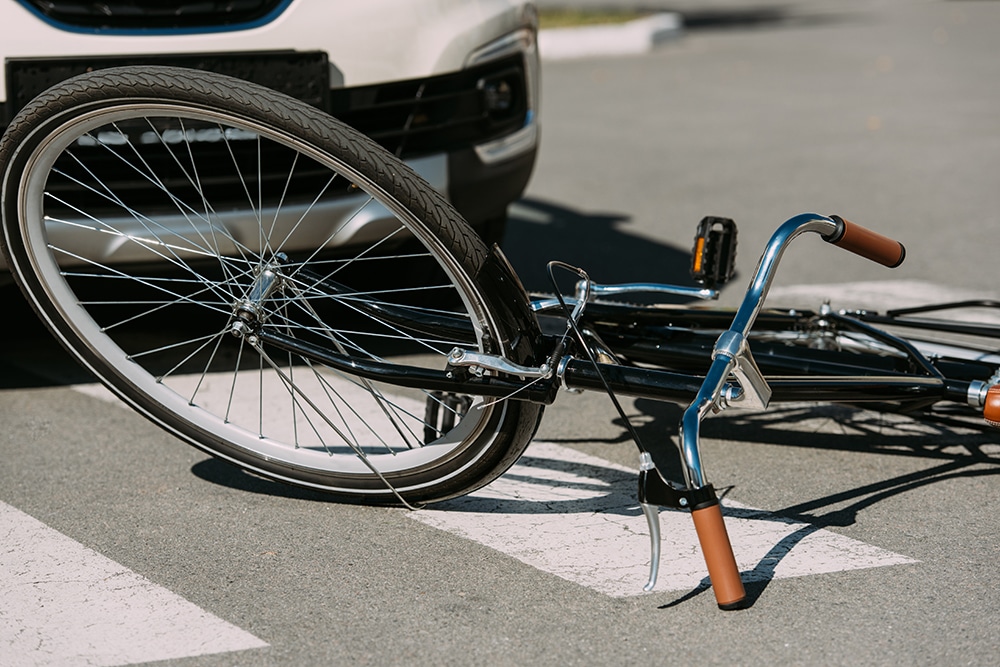
On June 5, 2026, CDOT planner Riley O’Neil was killed while riding his bicycle in Chicago’s Bridgeport neighborhood after a driver opened a car door directly into his path. The crash happened on South Halsted Street, in a stretch with paint-only bike lanes and no physical barrier between cyclists and parked cars. Incidents like this one underscore why dooring remains one of the most preventable and most dangerous hazards facing Chicago cyclists.
What Happened on Halsted Street
According to reports from Streetsblog Chicago, O’Neil was traveling northbound in the 3200 block of South Halsted Street around 4:40 p.m. when the driver of a parked white sedan opened the car’s door into the bike lane. He tried to swerve but clipped the door and was thrown into the roadway, where a large truck struck and killed him.
The victim was a city transportation planner who had spent years working to make Chicago’s streets safer for cyclists. Both drivers remained at the scene.
Illinois Law on Dooring
Illinois law is clear on this point. Under 625 ILCS 5/11-1407, no person may open a vehicle door on the side available to moving traffic unless it is reasonably safe to do so and can be done without interfering with other road users. Chicago’s municipal code goes further, imposing fines of up to $1,000 for dooring violations.
These are enforceable laws that place the responsibility squarely on the person opening the door.
What a Dooring Claim Involves
When a cyclist is doored and suffers injuries, the injured rider may have grounds for a personal injury claim against the driver or passenger who opened the door. These claims typically involve:
- Medical expenses, including emergency treatment, surgery, and rehabilitation
- Lost wages from missed work during recovery
- Pain and suffering tied to the physical and emotional impact of the crash
- Property damage to the bicycle and any equipment
A Chicago, IL bicycle accident lawyer can evaluate whether additional parties, such as a truck driver or the city itself, may share liability depending on the facts of the case.
Steps to Take After a Dooring Crash
The moments after a bicycle accident matter greatly. If you are able, take the following steps:
- Call 911 and request both police and medical response
- Document the scene with photos of the open door, vehicle positions, bike lane markings, and your injuries
- Get contact information from the driver and any witnesses
- Request a copy of the police report
- Seek medical attention even if your injuries seem manageable at first
Injuries from dooring crashes often include broken bones, concussions, spinal injuries, and road rash. Some of these conditions worsen in the days following the incident, making prompt medical documentation especially important.
Why Infrastructure Matters
This crash renewed calls from safety advocates for the city to replace paint-only bike lanes with protected, physically separated lanes on high-traffic corridors like Halsted Street. When a bike lane sits directly in the door zone of parked cars, riders are left with little room and almost no time to react.
Protected lanes place parking between the travel lane and the bikeway, with a concrete barrier separating the two. That design eliminates dooring risk almost entirely.
Talk to an Attorney
If you or a family member was injured in a bicycle accident involving a dooring, a distracted driver, or unsafe road conditions, the attorneys at Disparti Law Group can review your case and help you understand the options available under Illinois law. Reach out to discuss what happened and what comes next.